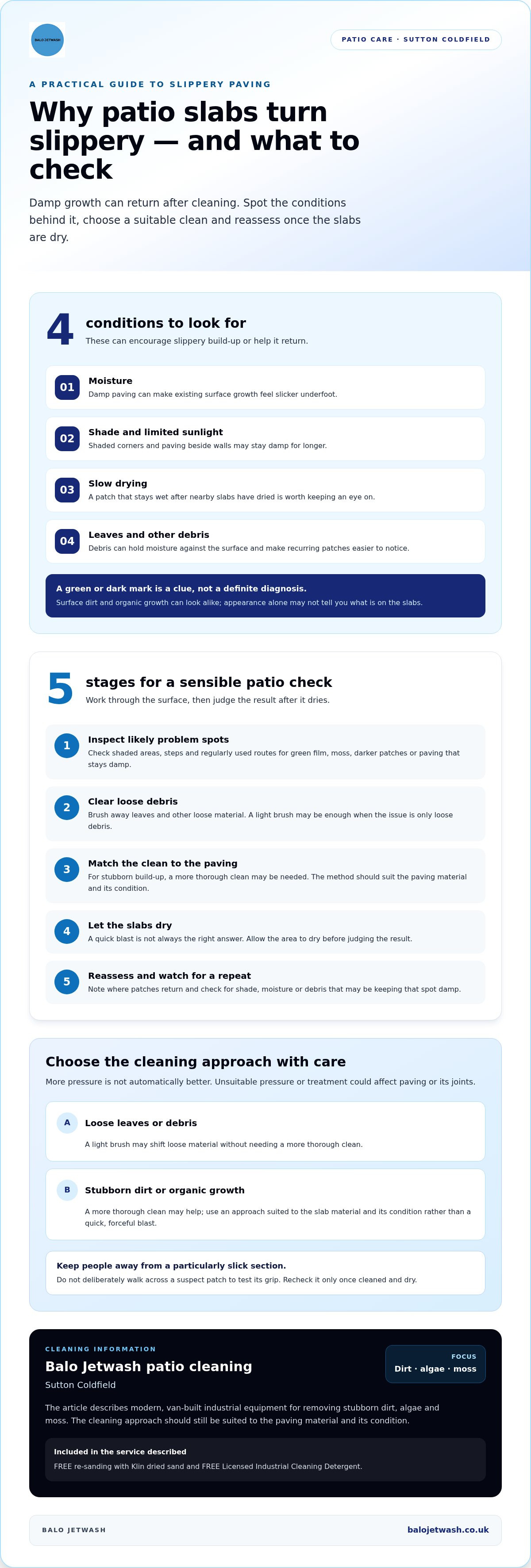
Wondering how to stop patio slabs becoming slippery Sutton Coldfield? Start by noticing where and when the paving feels slick. A slimy film on shaded, damp slabs may be algae, while moss, fallen leaves or water that drains slowly can also contribute. The cause matters because cleaning the surface is only part of preventing the problem from returning.
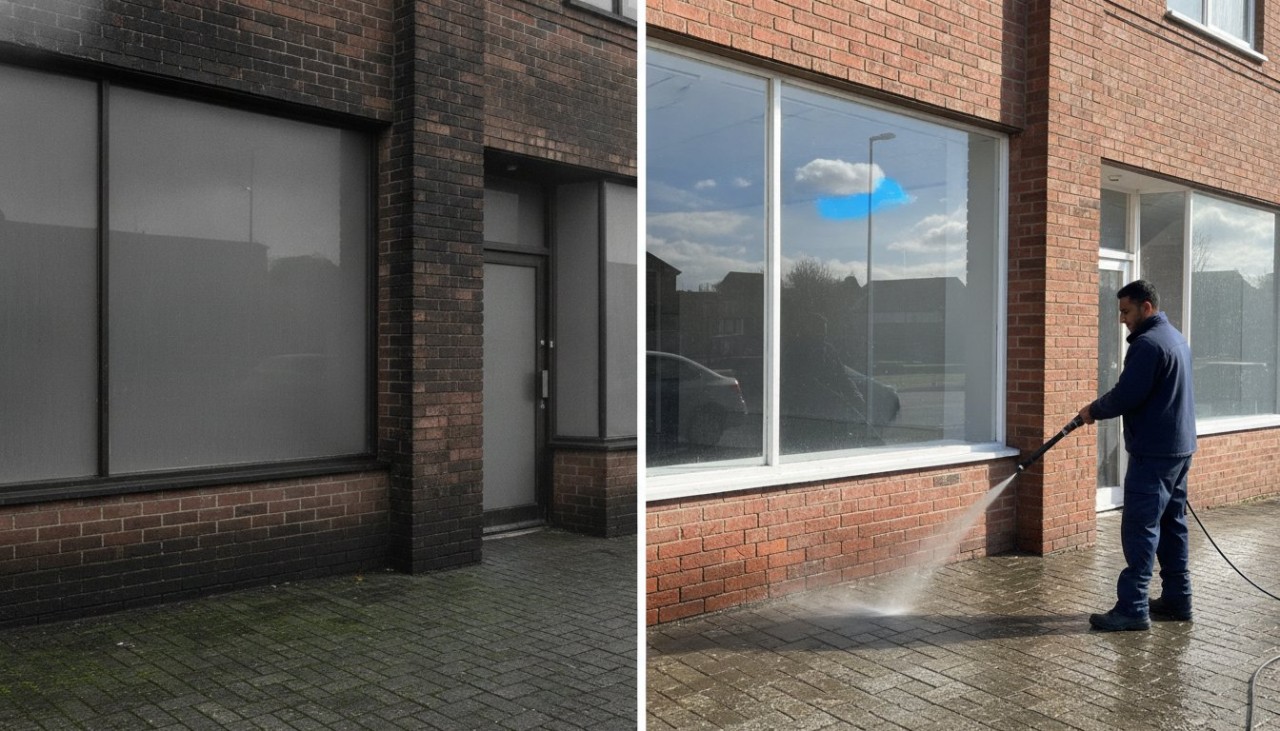
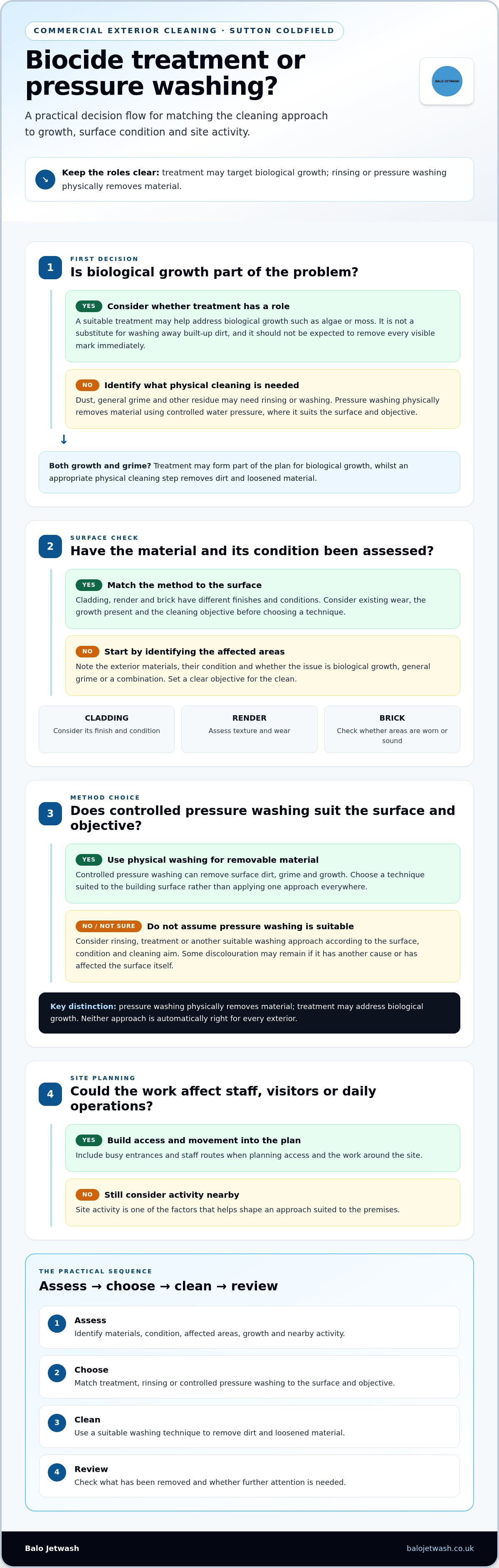
It’s understandable to worry about someone slipping, or to wonder whether a pressure washer could damage the slabs or joints. A quick blast is not always the right answer. The cleaning method should suit the paving material and its condition, and the area should be allowed to dry before you judge the result.
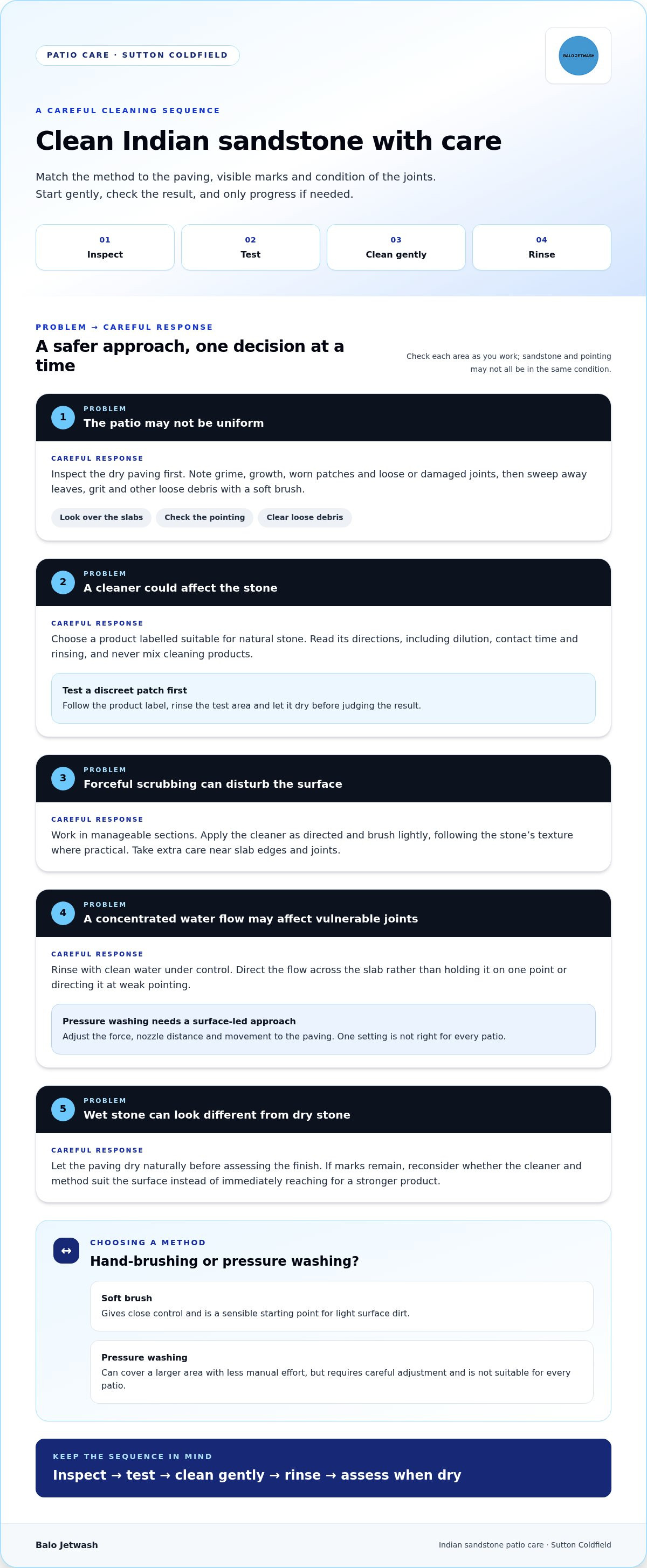
This guide explains how to spot likely causes, choose a sensible cleaning approach and check the patio between cleans. Balo Jetwash provides patio cleaning in Sutton Coldfield, using modern, van built industrial equipment to remove stubborn dirt, algae and moss. FREE Klin dried re-sanding and FREE Licensed Industrial Cleaning Detergent are included, helping refresh your outdoor space.
Key Takeaways
Learn how moisture, shade and slow drying can encourage slippery growth, and why appearance alone may not identify the cause. See when brushing away leaves and debris may be enough, and when stubborn build-up could need a more thorough clean. Follow a practical routine to inspect paving, clear debris, address growth, let slabs dry and reassess the surface. Find simple ways to monitor slippery patches and spot the conditions that may encourage them to return. Discover how Balo Jetwash’s patio cleaning in Sutton Coldfield can help with how to stop patio slabs becoming slippery Sutton Coldfield.Why patio slabs become slippery in Sutton Coldfield
Finding a slick patch underfoot after wet weather can be unsettling. Slippery paving is most noticeable when damp, and a thin film, green growth, dark marks or moss may indicate that the surface needs attention. Also notice how quickly the area dries. A patch that remains damp after the rest of the patio has dried may be more likely to develop recurring build-up.