How to Clean a Dirty Block Paving Driveway – Why Professional Cleaning Makes the Difference
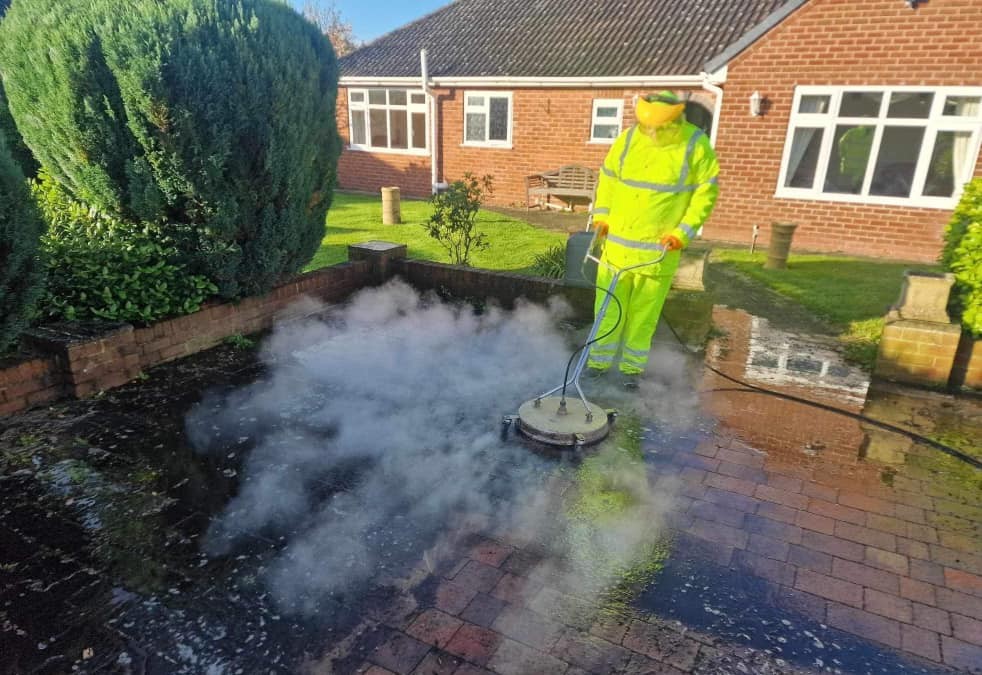
Block-paved driveways and patios are a popular choice for UK homes, but they quickly lose their charm when blanketed in green moss, encroached by weeds, and dulled by layers of grime. Instead of a neat, inviting entrance, you could end up with a slippery, unsightly surface that drags down your property's kerb appeal. Thankfully, professional block paving cleaning offers a safe, effective way to restore those surfaces to their former glory and keep them looking pristine. In this post, we'll explore why block paving gets so dirty, the dangers of leaving it that way, and how expert cleaning (like the services provided by Balo Jetwash) can rejuvenate your driveway or patio while protecting your investment.
Why Does Block Paving Get So Dirty?
Block paving inevitably accumulates dirt and biological growth over the seasons. Britain's damp climate – especially in areas like the West Midlands – creates ideal conditions for moss and algae, so a pristine driveway can quickly turn into a grubby, green-stained surface. In addition, everyday wear and environmental debris ensure that even the best-laid paving won't stay clean forever. Common culprits behind dirty, tired-looking block paving include:
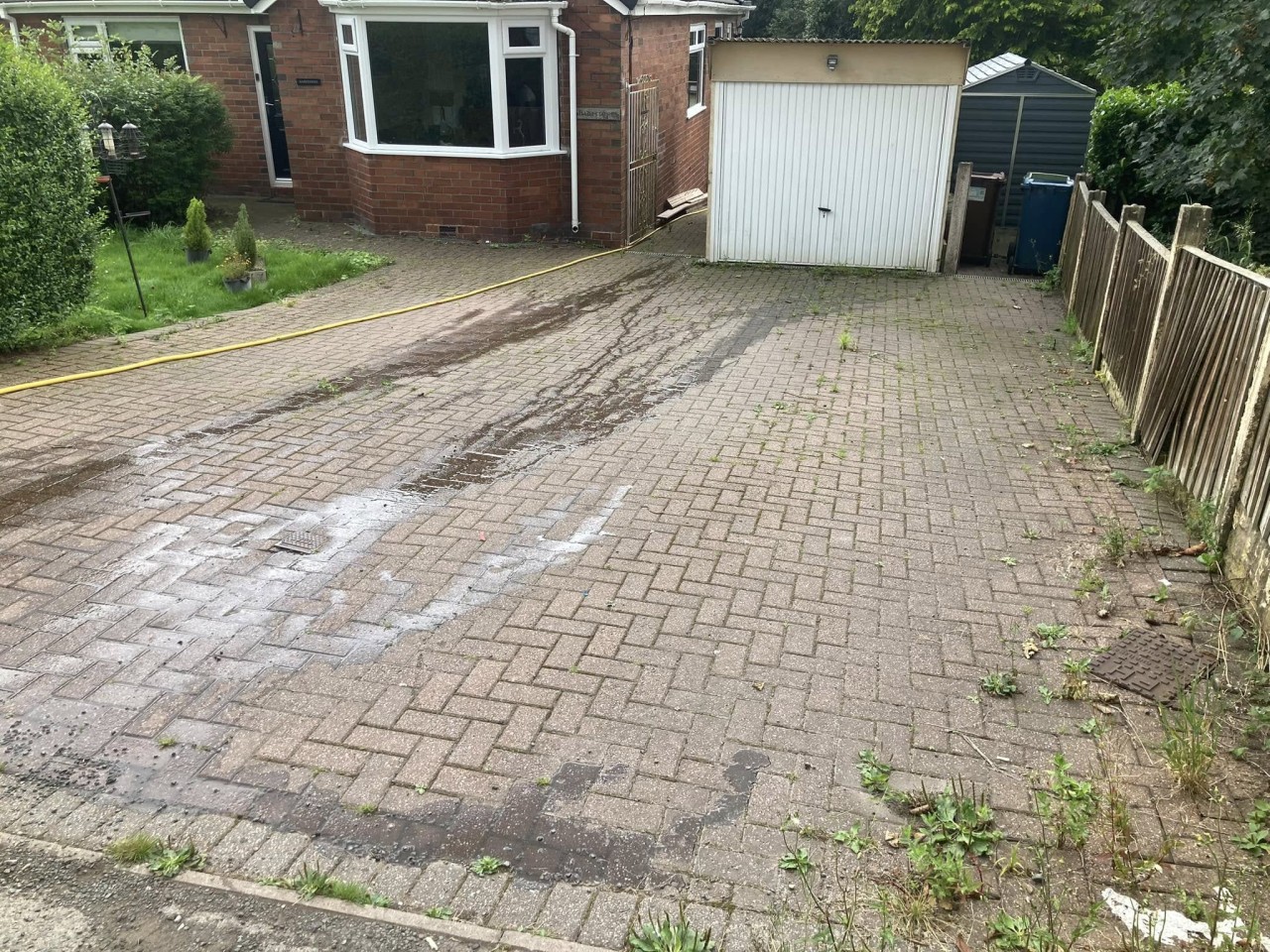
Moss and algae: These thrive on damp, shaded surfaces. Spores settle and spread rapidly, creating a green or black film that traps moisture and turns paving dangerously slippery.
Weeds in the joints: Tiny wind-blown seeds often lodge between pavers. Before long, unsightly weeds sprout through the block paving joints, making the area look untended. Their roots can even widen cracks or disturb the sand base.
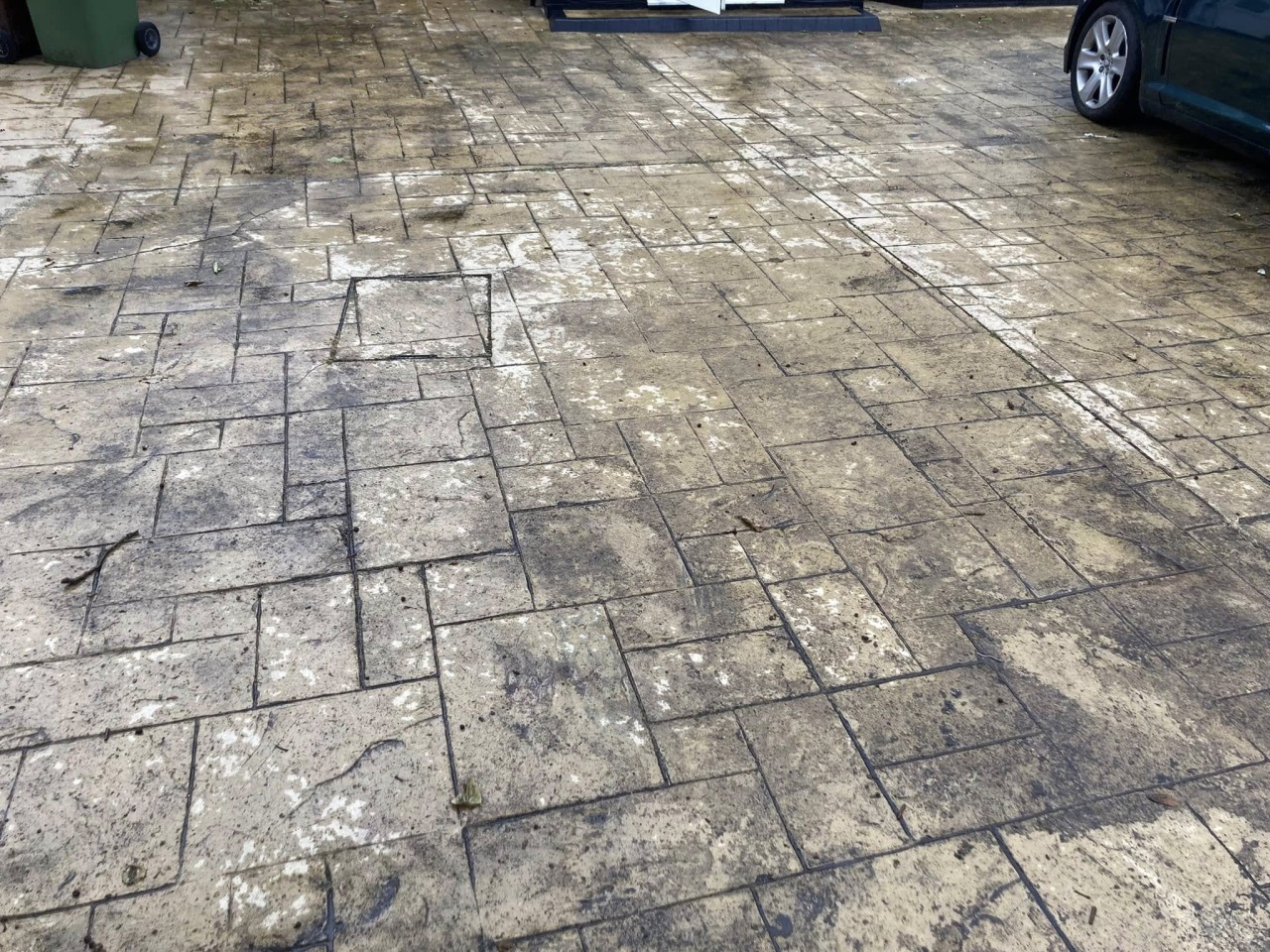
General grime and stains: Dust, mud and air pollution leave paving looking dull and grey. Driveways also suffer from oil drips and tyre marks from vehicles, which can penetrate and stain the blocksif not cleaned.