
Getting House Ready for Sale Exterior Cleaning in Wylde Green

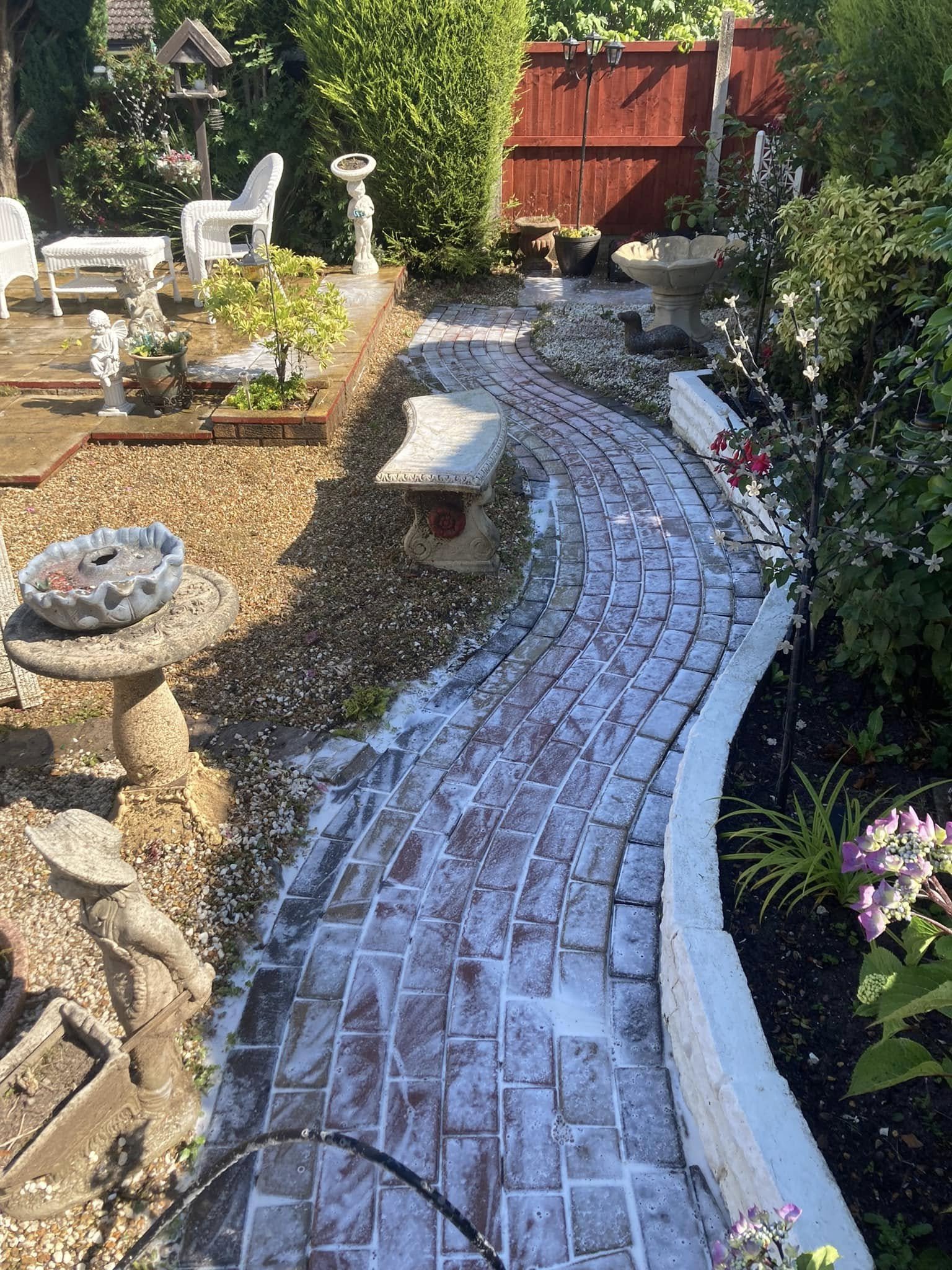
Could a cleaner exterior help your home make a stronger first impression before a sale? Strong kerb appeal is estimated to increase a UK home’s value by 5-10%. For homeowners getting a house ready for sale in Sutton Coldfield, exterior cleaning can help present the property at its best, though it won’t replace necessary repairs.
When getting a house ready for sale, exterior cleaning in Wylde Green can help make the approach and entrance more presentable. This guide explains which areas to prioritise, how to plan cleaning around repairs and photographs, and when professional help may suit the job. You’ll also learn how to approach DIY pressure washing without risking damage to your home’s surfaces.
Key Takeaways
Prioritise the entrance and the route to the front door to make the approach feel tidy and welcoming. Clear loose leaves and debris before washing, and protect nearby plants when using cleaning solutions. Choose a cleaning method that suits each surface; excessive pressure can damage brickwork, mortar and paving. Plan cleaning around repairs and listing photos so the exterior looks fresh when buyers see it. Simple jobs may suit a DIY clean, while high or delicate areas are better handled by an experienced professional.1. How much value can exterior cleaning add to my house?
Some estimates suggest strong kerb appeal can increase a UK home’s value by 5-10%, potentially amounting to thousands of pounds. Cleaning won’t guarantee a higher sale price, but it can help buyers see the property as cared for. Present clean, well-maintained surfaces alongside honest repairs, rather than expecting washing alone to change a home’s value.
Gleeson Homes says buyers often know whether a property feels right within eight to ten minutes. Make the first view count: tidy the approach, clear the entrance and make the garden look maintained. Gleeson Homes advises mowing the lawn, trimming grass edges, weeding borders and paths, and cutting back branches or bushes that block natural light. Put away hoses, tools, lawnmowers and bicycles.
For summer garden preparation, rake leaves, prune overgrown plants and refresh flower beds with mulch or bark. Gleeson Homes also recommends wiping outdoor tables and chairs, clearing cobwebs and arranging patio furniture neatly. These details make the space look usable and cared for. Check the exterior siding manufacturer’s instructions before choosing a cleaning method.
Before washing, close windows and doors, move furniture and sweep away loose debris. Protect nearby plants when using cleaning solutions. Keep water away from electrical outlets, lights, vents and other openings. Check each surface first: excessive pressure can damage brickwork, mortar, timber or render. Choose a method suited to the material instead of using the same setting everywhere.
For a listed home or a property in a conservation area, identify its status and consider the proposed work before changing exterior materials or finishes. Cleaning and altering a finish are different tasks, so establish whether the planned work needs additional consideration before starting.
Before marketing the property, focus on the visible entrance, paths, driveway, patio and dirty exterior surfaces. Finish dusty repairs first, then clean and let surfaces dry before applying touch-ups. Fix minor defects, such as chipped paint or a leaking tap, and consider whether a brightly coloured room would benefit from a neutral shade.
For gutters, remove leaves and debris, then check that water flows freely through downspouts. Clean fascias and soffits with a method suited to their material, keeping water away from gaps. For windows, clean the glass, frames, sills and screens. Keep windows closed during exterior washing.
Small maintenance jobs can sharpen kerb appeal alongside cleaning. Gleeson Homes recommends pressure washing a patio or driveway, subject to the surface’s care instructions. Repair visible defects, tidy borders and store garden equipment before listing photographs. A considered combination of cleaning and upkeep helps the property look presentable without disguising maintenance needs.
2. Cleaning the front door, letterbox and porch
The entrance frames a buyer’s first close-up view, so treat the front door, letterbox and porch as separate cleaning jobs. Gleeson Homes advises cleaning the front door, polishing the letterbox and sweeping the front porch. Start by removing loose dust with a soft brush, which helps prevent grit from scratching painted or glazed surfaces during washing.
Check the door’s finish before choosing a cleaner. Use a damp cloth and mild soapy water on a small, inconspicuous area first, then follow the maker’s care instructions. Work from the top down, wiping away loosened dirt before it dries. Avoid soaking timber, pushing water beneath edges or directing spray towards locks, hinges and seals.
Handles, panels and the door frame collect fingerprints and grime. Wipe around the handle and along the frame with a clean cloth, then dry those areas to avoid streaks. For a glazed panel, use a suitable glass cleaner and a separate dry cloth. Check the threshold too, where leaves and compacted dirt can gather unnoticed.
A letterbox needs a light touch. Polish its outer surface with a soft, lint-free cloth, then clean around the edges without forcing liquid into the slot or moving parts. If the plate has visible tarnish, use a cleaner suited to its material and test a hidden section first. Finish by wiping the surrounding door clean.
For the porch, move pots, footwear and doormats aside before sweeping corners, steps and the threshold. Remove cobwebs from reachable areas with a brush, then wipe the doorbell and visible fittings carefully. Use a damp cloth rather than directing a pressure washer at delicate fixtures. Keep water away from electrical fittings and let the floor dry before replacing items.
Look at the entrance from the path after cleaning. A dusty frame, marked threshold or crooked mat can still distract from a freshly washed door. Straighten the mat, arrange pots neatly and put away loose parcels or tools. If paint is chipped, clean and dry the affected area before planning a touch-up; applying paint over dampness or grime can spoil the finish.
Time this detail clean after dusty repairs and before listing photographs. Check the door in daylight for missed marks, then inspect the porch from the same angle visitors will approach. These small, visible details help the entrance feel orderly, without disguising wear or replacing repairs that the door or surrounding frame needs.
3. Clearing debris and protecting nearby plants
Clear loose debris before washing so dirt doesn’t spread across clean surfaces or collect in drains. Sweep the porch, steps, walkways and the area beside doors and windows. Use a stiff broom for compacted leaves, then collect the sweepings rather than pushing them into borders. This first pass also reveals slippery patches, loose paving and items that need moving.
Move garden furniture, plant pots, toys and door mats away from the washing area. Put lightweight items in a shed or garage, and shift larger pieces far enough to prevent splashback. Close every window and exterior door before starting. Check nearby vents, sockets and light fittings, then avoid directing water or pressure towards them.
Protect vulnerable planting before applying any cleaning solution. Move pots out of range where possible, and cover delicate plants or low flower beds with a suitable temporary barrier. Keep covers secure, but remove them as soon as washing ends so trapped heat and moisture don’t linger. Pay special attention to fresh growth, herbs and flowers beside paths.
Use cleaning products only as directed on their labels, and keep them away from soil and foliage. Don’t allow concentrated solution or dirty runoff to collect around plant roots. If a surface needs detergent, apply it only to the area being cleaned, and control where rinsing water flows. A garden hose can help rinse splashes from nearby leaves.
Work in manageable sections, beginning where debris gathers most, such as beneath shrubs or beside a gate. Clear the material by hand before using a pressure washer; spraying first can scatter leaves, grit and soil onto windows, walls or planted beds. Keep the spray controlled and use a setting suited to the surface to reduce unwanted splashing.
Check the forecast and choose a suitable dry spell for outdoor washing. Rain can carry loosened dirt back across paths, while wind may blow spray towards nearby plants or open windows. Avoid washing in conditions that make footing slippery. Keep the route from the garden gate to the front entrance clear throughout the work.
After rinsing, inspect the paving and borders for remaining debris, detergent residue or displaced soil. Clear leaves from drain grates so water can escape freely. Remove plant covers, and return pots and furniture only after surfaces have drained. Check foliage for splashes; if leaves look dusty, rinse them gently with clean water. A final sweep leaves the approach tidy for photographs and viewings.
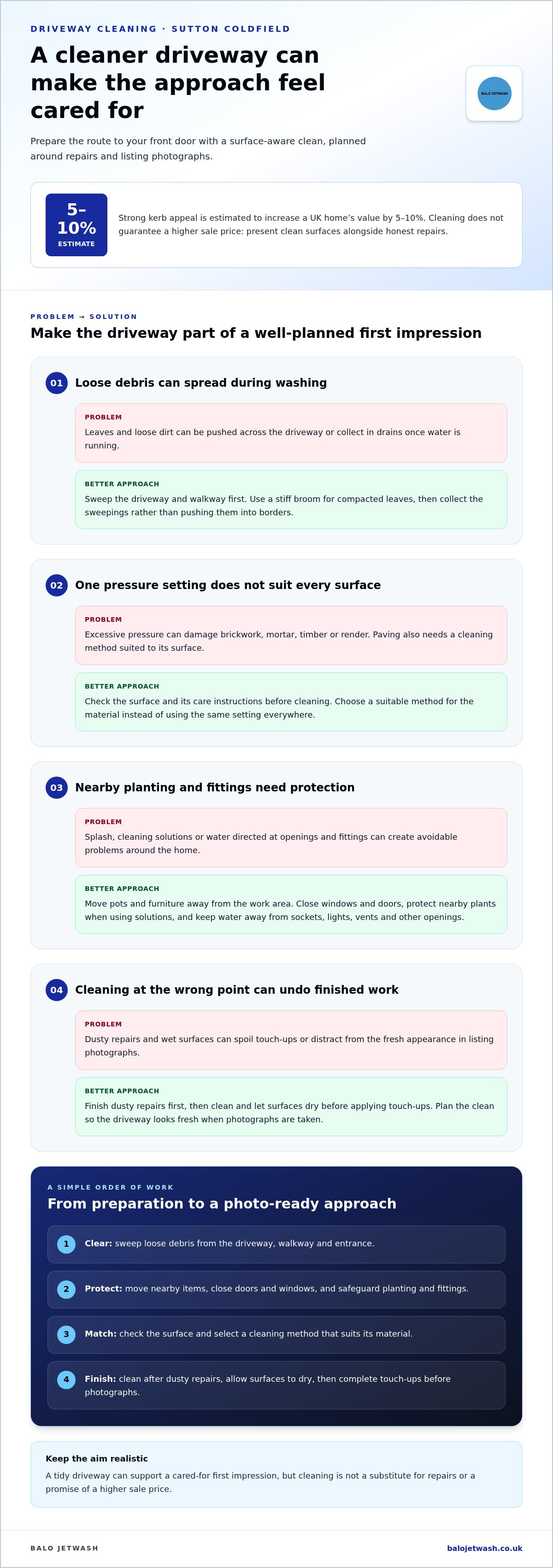
4. Driveway and walkway cleaning
The route from the kerb to the front door shapes a buyer’s first impression. Gleeson Homes says buyers often make up their minds within the first eight minutes, so clear, presentable paving deserves attention. If time is limited, prioritise the main approach, entrance steps and any walkway visible from the street. A thorough clean can make these surfaces look cared for without disguising cracks or loose paving.
Start by sweeping away dead leaves, twigs and loose dirt. Gleeson Homes recommends clearing this debris from driveways, patios and steps before washing. Move vehicles, pots and garden furniture, then check the surface for cracks, loose joints or damaged pavers. Those areas need care: forceful water can worsen existing damage or dislodge jointing material.
Choose a cleaning method that suits the surface. Brick, concrete, natural stone and block paving don’t all respond the same way to pressure. Excessive pressure can damage brick or erode mortar joints, so follow the brick manufacturer’s cleaning advice before using a pressure washer. Test an inconspicuous patch first, and stop if the surface begins to roughen or lose material.
Work methodically from the higher end towards a suitable drainage point, keeping the spray moving rather than concentrating it on one spot. Avoid aiming directly at joints, cracked areas or the edges of pavers. Use an appropriate detergent only as directed, and rinse away loosened dirt so it doesn’t dry into streaks. Protect nearby planting and keep water away from openings and electrical fittings.
Weather affects the finish. Avoid pressure washing in rain or humid conditions, when wet paving can be harder to work on and may dry slowly. Heavy pollen, frequent rain, falling leaves or nearby building work can quickly leave fresh marks, so schedule the clean close enough to listing photographs for the result to stay visible.
After washing, let the paving dry before judging its colour and condition. Look for remaining moss, uneven patches, exposed joints and areas that need repair. Cleaning can reveal defects that dirt previously hid, so address those before photographs. Keep people off slippery, wet surfaces until they’ve dried, and leave a clear, safe route to the entrance.
For a final check, view the approach from the kerb and from the front door. Remove any new leaves, rinse away visible residue and make sure drain grates remain clear. A tidy route, consistent-looking paving and clean steps help the exterior appear ready for viewings, while honest repairs show that maintenance has been considered as well as appearance.
5. DIY exterior cleaning versus hiring a professional
Choose DIY for reachable, low-risk jobs; reserve difficult surfaces and heights for professional cleaning. A garden hose, suitable cleaner and soft-bristle brush may be enough for ordinary dirt on siding. That approach gives you control over small areas, such as a low porch wall, without using forceful pressure.
A pressure washer can tackle stubborn outdoor grime, but the wrong pressure or nozzle can damage brick, mortar, paving and older finishes. Check the surface manufacturer’s cleaning instructions first. If brickwork is cracked or mortar is already worn, avoid testing high pressure there. Old or damaged façades need specialist advice before washing.
Height changes the decision. Consider professional help for exterior cleaning on a home with two storeys or more, where reaching surfaces creates additional risk. Roof cleaning also belongs with a professional; check visible concerns from the ground instead of climbing up to investigate. Don’t use a ladder as a shortcut to cleaning gutters or upper windows.
DIY suits manageable jobs with safe access, simple dirt and surfaces that tolerate gentle cleaning. A professional clean is more suitable for extensive soiling, awkward access, delicate materials or a tight schedule before listing photographs. A comprehensive clean of an average UK three-bedroom semi-detached house, including walls, windows and driveway, typically takes a professional team one full day.
Compare written quotes by matching the surfaces and tasks included, such as paving, walls, rinsing and clearing away loosened debris. Review insurance documents and any guarantee terms carefully, including which work and outcomes they cover. A lower figure alone doesn’t show whether two quotes include the same preparation, cleaning method or finish.
Which exterior cleaning companies serve a particular area depends on their stated coverage and the work required. Services may cover hard surfaces such as driveways and patios, or broader commercial exterior cleaning. Compare the scope described for the property rather than assuming every company handles windows, roofs and paving alike.
Before booking an exterior clean, list the surfaces, visible damage, access points and areas needing special care. Share those details in the quote request, then compare the proposed method and included work against your priorities. This makes it easier to decide whether a simple DIY wash will do, or whether specialist equipment and experience are more appropriate.
For a driveway that needs more than sweeping or gentle washing, request a driveway pressure-washing quote. It’s a practical option when ingrained dirt, algae or moss is affecting the approach to your home.
Balo Jetwash: driveway Cleaning
Balo Jetwash can help refresh a tired driveway before viewings, especially when stubborn dirt, algae or moss dulls its appearance. Its modern, van-built industrial-grade equipment is used for exterior cleaning, with the cleaning approach suited to the surface.
Driveway cleaning includes FREE re-sanding with Klin dried sand and FREE Licensed Industrial Cleaning Detergent. Balo Jetwash also offers patio cleaning, commercial exterior cleaning and graffiti removal.
If your driveway needs more than sweeping, contact Balo Jetwash to discuss cleaning it before viewings.
Make the next step a fresh start
Preparing for viewings is a chance to make your home feel welcoming while presenting its condition honestly. Take a final look at the approach from a visitor’s perspective, then decide which remaining tasks will make the biggest difference to the viewing experience.
If an exterior cleaning job feels too demanding to tackle yourself, Balo Jetwash can help you plan the next step. Consider the areas that need attention and the timing of your viewings before arranging the work.
A clear plan can make sale preparations feel more manageable. Choose the next task, set it in motion, and give your home the best chance to make a positive first impression.
Contact Balo Jetwash to discuss your exterior cleaning, and take the next step towards presenting your home with confidence.
Frequently Asked Questions
How much value can exterior cleaning add to my house?
Exterior cleaning can improve presentation, but it doesn’t create a predictable stand-alone increase in value. Buyers also weigh location, condition, layout and comparable homes. Treat cleaning as a way to show the property at its best, not as a substitute for repairs or an automatic price boost. A fresh-looking entrance can help photographs and viewings reflect the care given to the home.
Should I get the exterior cleaned before or after the estate agent takes photos?
Arrange exterior cleaning before the estate agent photographs the property, then allow surfaces to dry and inspect the result. If repairs or landscaping are still underway, finish those first to prevent dust and debris spoiling the clean. Check the forecast too, since wind, rain or falling leaves may leave fresh marks. A quick final tidy before photography can catch small distractions.
What is the most important area to clean before selling my home?
Prioritise the area buyers see first from the approach, usually the front entrance and its immediate surroundings. View the property from the pavement and note what stands out, such as a marked door, cluttered step or tired-looking path. Focus effort there before less visible areas. If photographs feature a side entrance or rear garden, make that route presentable too.
How should you clean brickwork, render and front paths before putting a house on the market?
Match the method to the material and its condition. For brickwork, follow the manufacturer’s advice and avoid forceful pressure around weak mortar. Render can be marked or damaged by unsuitable washing, so test a discreet patch first. Sweep paths before cleaning, then choose a method suitable for the paving. Stop if the surface loosens, flakes or changes texture.
Is it safe to pressure wash roofs, render, paving and older brickwork?
Pressure washing isn’t equally suitable for every surface. Older brickwork, cracked render, loose paving and worn joints can be damaged by excessive force. Roof cleaning also involves working at height, so leave roof work to a professional rather than climbing with a washer. For ground-level surfaces, assess their condition first and use a controlled method appropriate to the material.
How far in advance of estate-agent photos or viewings should exterior cleaning be done?
Schedule cleaning after dusty repairs and close enough to photography or viewings that the finish remains fresh. Leave time for surfaces to dry and for any issues revealed by cleaning to be addressed. Rain, pollen, leaf fall or nearby building work can quickly affect a clean path. Check the approach again before each viewing and remove fresh debris.
What are the risks of DIY exterior cleaning, including damage, working at height and chemical runoff?
DIY cleaning can damage surfaces if the pressure, nozzle or detergent doesn’t suit the material. Ladders and wet paving also increase the risk of a fall, so avoid reaching roofs or upper walls yourself. Follow cleaner labels, don’t mix products, and control rinsing water to protect nearby planting and prevent dirty runoff spreading. A hand brush and mild cleaner may suit small, accessible areas.
Which exterior cleaning companies serve Wylde Green and what do their services include?
Balo Jetwash is mentioned for driveway cleaning.
{"@context":"https://schema.org","@type":"FAQPage","mainEntity":[{"@type":"Question","name":"How much value can exterior cleaning add to my house?","acceptedAnswer":{"@type":"Answer","text":"Exterior cleaning can improve presentation, but it doesn’t create a predictable stand-alone increase in value. Buyers also weigh location, condition, layout and comparable homes. Treat cleaning as a way to show the property at its best, not as a substitute for repairs or an automatic price boost. A fresh-looking entrance can help photographs and viewings reflect the care given to the home."}},{"@type":"Question","name":"Should I get the exterior cleaned before or after the estate agent takes photos?","acceptedAnswer":{"@type":"Answer","text":"Arrange exterior cleaning before the estate agent photographs the property, then allow surfaces to dry and inspect the result. If repairs or landscaping are still underway, finish those first to prevent dust and debris spoiling the clean. Check the forecast too, since wind, rain or falling leaves may leave fresh marks. A quick final tidy before photography can catch small distractions."}},{"@type":"Question","name":"What is the most important area to clean before selling my home?","acceptedAnswer":{"@type":"Answer","text":"Prioritise the area buyers see first from the approach, usually the front entrance and its immediate surroundings. View the property from the pavement and note what stands out, such as a marked door, cluttered step or tired-looking path. Focus effort there before less visible areas. If photographs feature a side entrance or rear garden, make that route presentable too."}},{"@type":"Question","name":"How should you clean brickwork, render and front paths before putting a house on the market?","acceptedAnswer":{"@type":"Answer","text":"Match the method to the material and its condition. For brickwork, follow the manufacturer’s advice and avoid forceful pressure around weak mortar. Render can be marked or damaged by unsuitable washing, so test a discreet patch first. Sweep paths before cleaning, then choose a method suitable for the paving. Stop if the surface loosens, flakes or changes texture."}},{"@type":"Question","name":"Is it safe to pressure wash roofs, render, paving and older brickwork?","acceptedAnswer":{"@type":"Answer","text":"Pressure washing isn’t equally suitable for every surface. Older brickwork, cracked render, loose paving and worn joints can be damaged by excessive force. Roof cleaning also involves working at height, so leave roof work to a professional rather than climbing with a washer. For ground-level surfaces, assess their condition first and use a controlled method appropriate to the material."}},{"@type":"Question","name":"How far in advance of estate-agent photos or viewings should exterior cleaning be done?","acceptedAnswer":{"@type":"Answer","text":"Schedule cleaning after dusty repairs and close enough to photography or viewings that the finish remains fresh. Leave time for surfaces to dry and for any issues revealed by cleaning to be addressed. Rain, pollen, leaf fall or nearby building work can quickly affect a clean path. Check the approach again before each viewing and remove fresh debris."}},{"@type":"Question","name":"What are the risks of DIY exterior cleaning, including damage, working at height and chemical runoff?","acceptedAnswer":{"@type":"Answer","text":"DIY cleaning can damage surfaces if the pressure, nozzle or detergent doesn’t suit the material. Ladders and wet paving also increase the risk of a fall, so avoid reaching roofs or upper walls yourself. Follow cleaner labels, don’t mix products, and control rinsing water to protect nearby planting and prevent dirty runoff spreading. A hand brush and mild cleaner may suit small, accessible areas."}},{"@type":"Question","name":"Which exterior cleaning companies serve Wylde Green and what do their services include?","acceptedAnswer":{"@type":"Answer","text":"Balo Jetwash is mentioned for driveway cleaning."}}]}
Information
Water available? - You don't need to be present for us to carry out the service. If required, we can supply water ourselves.
Insurance
Balo Jetwash is fully insured, We have £5,000,000 of public liability insurance. Balo Jetwash operatives are professional, reliable and endeavour to carry out the work to the highest standard with minimal fuss and upheaval.